Iran War LNG Disruption Hands U.S. Exporters Huge Windfall
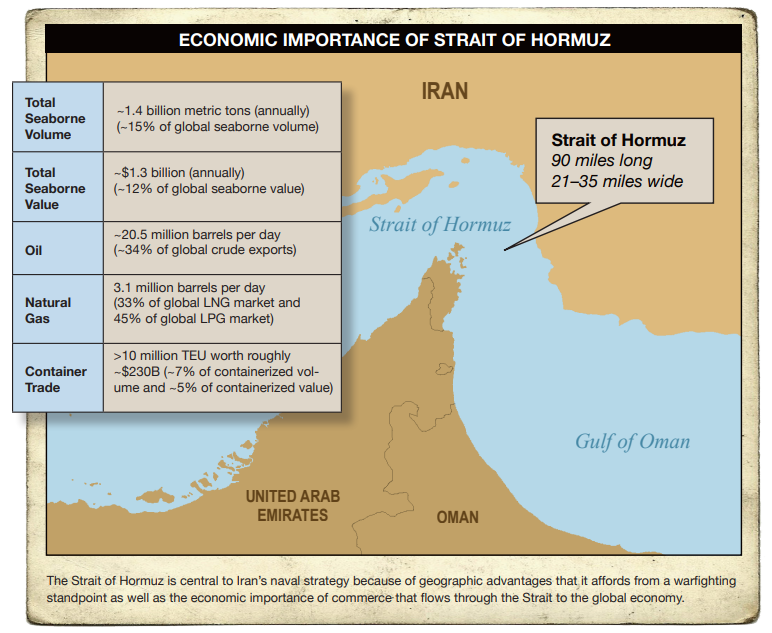
U.S. liquefied natural gas exporters have emerged as major beneficiaries of the energy shock set off when strikes tied to the Iran war began on Feb. 28, 2026, constricting flows through the Strait of Hormuz and disrupting supplies from traditional exporters. Global buyers in Europe and Asia, facing sudden shortages, have turned to American cargoes to plug gaps in pipeline and Qatari LNG supplies, driving up demand for U.S. shipments and sending prices sharply higher for sellers and consumers alike.
The market move has been dramatic: European natural gas prices have climbed more than 70 percent since the strikes began, a jump that has amplified household and industrial energy costs even as it enriched exporters. The squeeze has also reframed environmental calculations—U.S. LNG has an average methane emissions intensity about 44 percent lower than Russian LNG, meaning that, if U.S. cargoes displace higher-emission sources, there could be a net reduction in greenhouse-gas output even as fossil-fuel trade expands. Still, analysts caution that fuel switching, shipping emissions and the scale of displacement will determine any real climate benefit.
Public reaction on social platforms has been mixed and sharp: some users salute U.S. producers for bolstering allied supplies and supporting domestic jobs, while many others are critical of what they describe as wartime profiteering as energy bills spike for consumers abroad and at home. Early coverage focused on the geopolitical and security dimensions of the Strait of Hormuz disruptions; more recent reporting, including pieces by outlets such as NPR, has widened the frame to show who is winning and losing economically and to probe the environmental trade-offs of shifting global LNG flows.
📊 Relevant Data
European natural gas prices have climbed more than 70 percent since the Iran war strikes began on February 28, 2026, exacerbating energy costs for households and industries.
Europe Heads for Another Energy Shock as Iran War Disrupts Gas Supplies — The New York Times
The average methane emissions intensity of U.S. LNG is 44% lower than that of Russian LNG, potentially reducing global greenhouse gas emissions if U.S. exports displace higher-emission sources.
Economic and Environmental Benefits of U.S. LNG — U.S. Chamber of Commerce
Asia and Europe, major importers of Qatari LNG, are facing fuel shortages and higher prices, with natural gas prices in Asia and Europe surging due to the disruptions in the Strait of Hormuz.
How the Iran war could shift energy policies around the world — Atlantic Council
📌 Key Facts
- QatarEnergy, which produces about one‑fifth of global LNG, saw its facilities hit in early Iran‑war attacks, and experts say repairs will take months with full output potentially years away.
- The U.S. imposed a naval blockade on Iranian ports in the Strait of Hormuz more than six weeks ago, trapping much of Qatar’s LNG and other regional energy exports behind the chokepoint.
- U.S. LNG exporters are reportedly buying gas at around $3 per MMBtu and selling it for about $20 per MMBtu in Asia and Europe, and U.S. LNG supply is forecast by S&P Global to grow roughly 84% over the next five years.
📰 Source Timeline (1)
Follow how coverage of this story developed over time